Dr Sharmin (Tinni) Choudhury

The repository of all things resulting from my past, present and future

Dr Sharmin (Tinni) Choudhury is currently an entrepreneur and consultant CTO. Formerly, she was a researcher on topics include data management, knowledge management, ontology-based technology, smart wearable research and visual analytics.

  • News
  • My Research
    • Latest Research Activities
    • Post-Doc: Middlesex University
    • PhD: Queensland University of Technology
    • Research Engineer: DSTC
    • Honours: University of Queensland
  • About Me
    • My Career Summary
    • My Contact Form
    • My LinkedIn
    • My Research Gate Profile
    • My Google Scholar Profile
  • Linktree
IOT Meetup, Brisbane

Home Automation Hubs

March 29, 2018 by Tinni Choudhury in meetup

Like I mentioned in my previous post, on Monday, I visited the Arc Incubator for the Brisbane IoT Meetup.  The topic up for discussion this month was home automation hubs, and we got a comparison of Google Home Mini, Amazon Alexa and Apple's HomePod. It was an interesting compare and contrast presentation, and we had at least one attendees who asked the questions that I don't think home IoT industry has answered adequately answered. I.e. "How is this for? What are the benefits? Is it worth spending hundreds of thousands of dollars for mild convenience?" Not to mention, with the all the security and privacy stuff in the news, the question of "Are you worried your gadgets are spying on your or will be made to spy on you?" also came up.

The security and privacy questions are very complicated and, I feel, very personal and cultural. Also, what is private and what is not changes over time. I mean, not too long ago people would visit their corner store and said store would have stable enough staffing that with the regulars, the staff would be able to fill their orders as soon as they came in through the door. We lost this type of personalisation when we became one of the thousands of customers visiting the local supermarket. Now we are getting it back through loyalty programs and the likes. But we are more concerned about Woolworths knowing our preferences than we were Bob from Bob's Corner store knowing our preference. In reality, I don't think there is a big difference.

Indeed, I think we need to decouple Bokksu spamming until I give in and buy their boxes of hopefully delicious Japanese snacks from the more damaging misinformation and echo chamber effects. Of course, I could just be saying that to excuse my purchase of Bokksu!

As for my own experience with home automation hubs. I bought a Google Home Mini while they were on sale around Christmas. I bought it without thinking and purely because it was on sale. I have since bought a Philips Hue bridge and colour bulb. Also a TP-link smart plug. So my bedroom is now as automated as its going to get without needing to replace my fan and airconditioner. It's fun but mildly convenient, but I wouldn't say it's necessary for me. However, my mom whose having mobility issues due to her joint pain and my grandparents, who have severely limited mobility due to age and arthritis probably would benefit from home automation. That said, for them to get the maximum benefit, almost everything has to be automated. Plus there are more than a few items still missing from the elder care market for IoT to be truly useful.

Like a pill box that automatically sorts pills and ensures they are taken on time and regularly. Heck, my ideal pillbox would refill prescriptions automatically when pills become low and automatically schedule doctors appointments to get new prescriptions. Basically, a 24/7 home nurse! Of course, such a device would need the infrastructure in place. My mom would be able to benefit from such a device more readily than my grandparent. On account of my mom living in Brisbane while my grandparents now live in a regional town in Bangladesh. But infrastructure is always improving, especially in emerging markets. Indeed, IoT may well take off in South Asia well ahead of Europe. Just because of the cheap tech that's available in that region.
March 29, 2018 /Tinni Choudhury
IoT
meetup
Comment
Arc Hardware Incubator

Arc Hardware Incubator

March 28, 2018 by Tinni Choudhury in misc

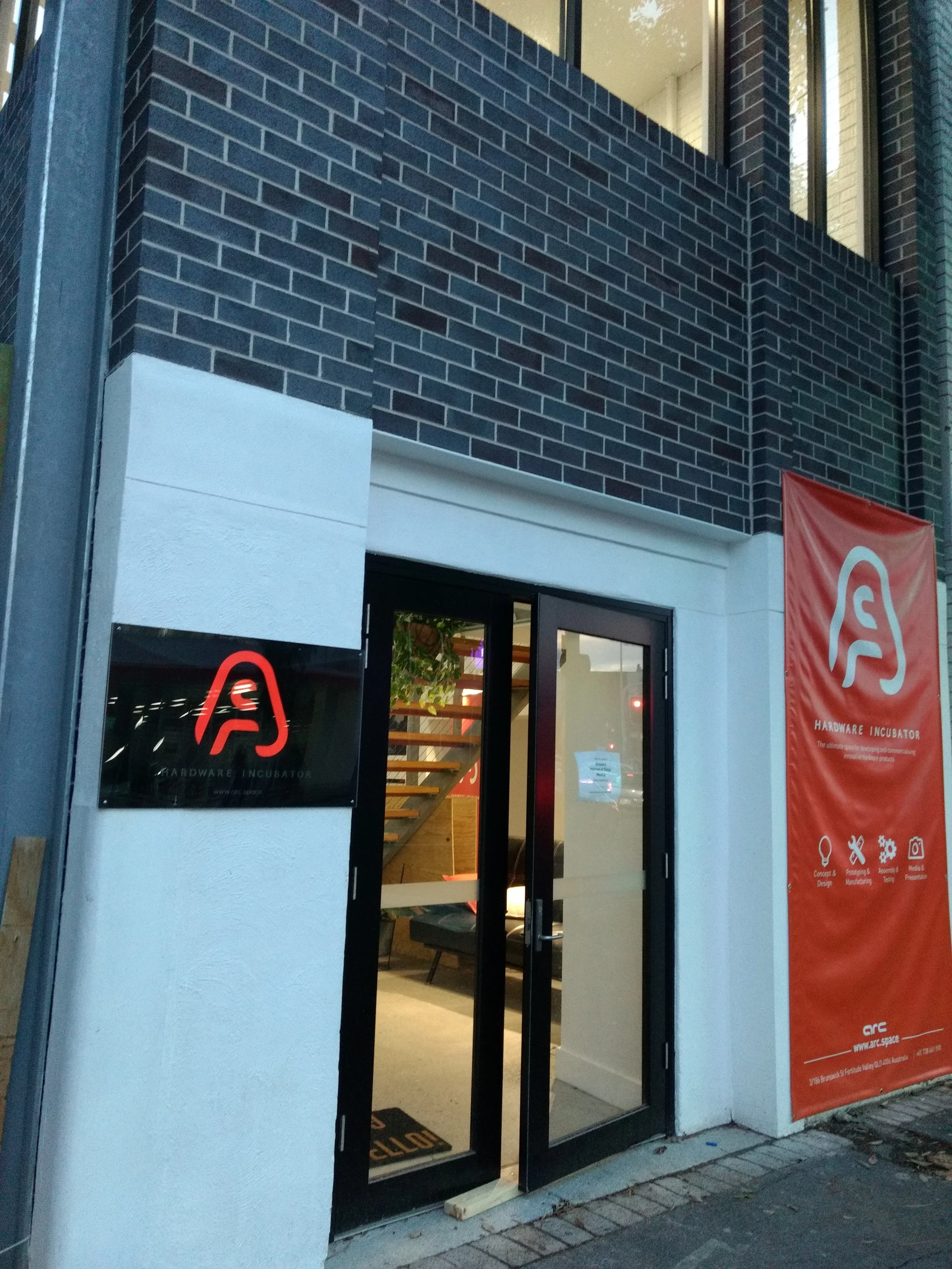
This week, I finally got to visit the Arc Hardware Incubator in Fortitude Valley. I first heard about the incubator during the Creative Tech Start-up Weekend as the equipment available at the incubator was offered to teams to develop their prototype. Given how badly the weekend went for me, I didn't get a chance to visit. So it was a nice surprise to be able to see inside while attending the Brisbane IoT Meetup. It's a very nice space.

They have made very clever use of a very narrow building that's also fairly historic. So there was a lot of things they couldn't knock down or take out. But they have still managed to put in an impressive array of equipment, labs and studios. They have,

  • Multiple types of 3D Printers
  • Desktop Vacuum Forming Facilities
  • Desktop Laser Cutting Facilities
  • Vinyl Cutting Facilities
  • PCB Engraving Facilities
  • Soldering Stations
  • Post Processing Tools
  • Assembly Equipment etc.

They also have a pretty neat event space too. I kind of wish I had hardware start-up ideas so that I would have an excuse to book some time into Arc. But alas, I don't have any hardware ideas that will let me play with the toys in Arc Incubator. What a pity!

March 28, 2018 /Tinni Choudhury
co-working spaces, start-up
misc
2 Comments
Group Mentoring Session

Group Mentoring Session

March 24, 2018 by Tinni Choudhury in upskilling, talks

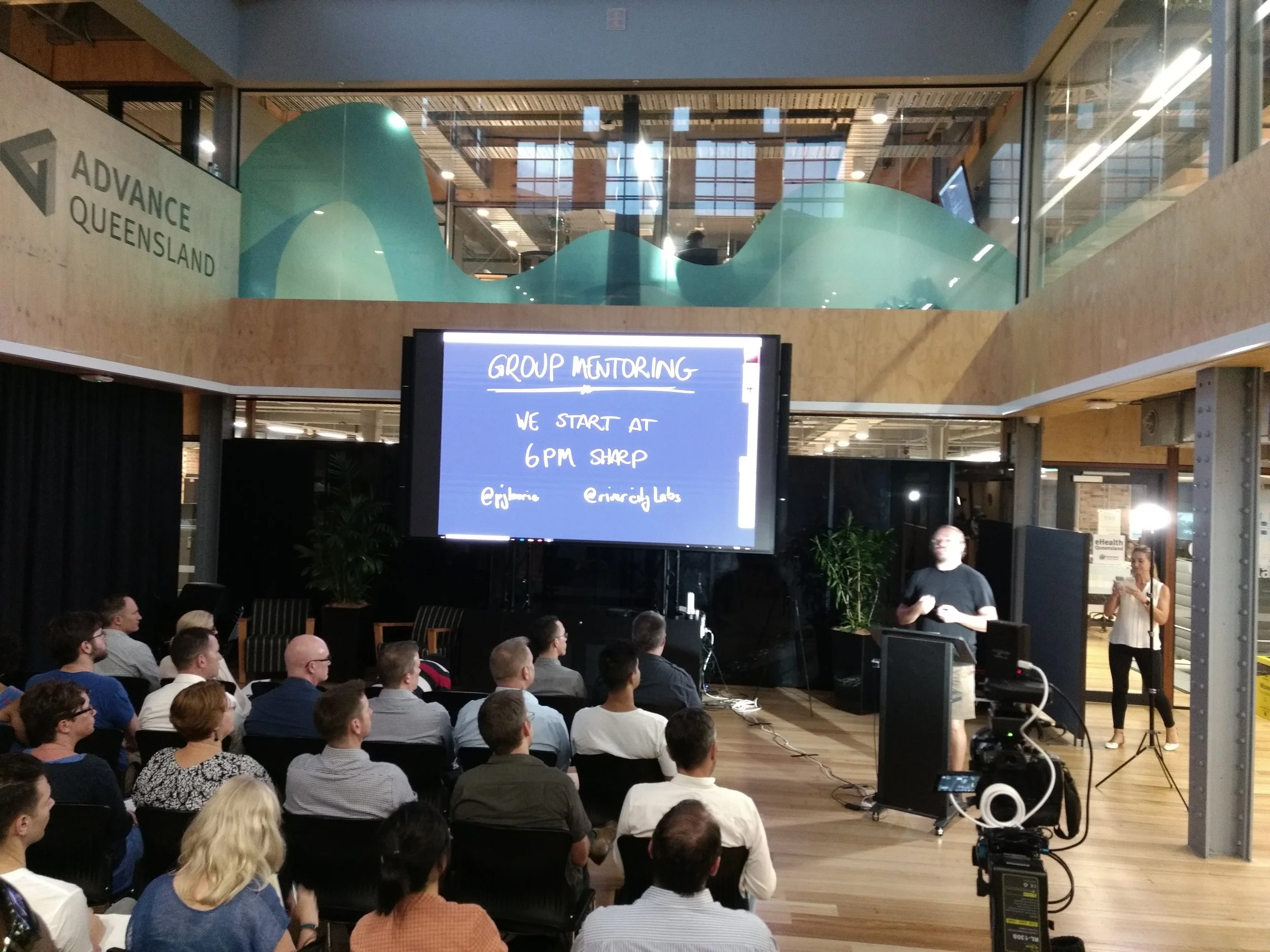
Last Thursday, I attended a group mentoring hosted by Peter Laurie. I turned up with no set expectation but because the event crossed my social media and since I had met Peter through a different meet-up last week, I was curious to see what he had to say. It turned out to be one of the best sessions on start-ups and business in-general that I have ever attended!

Peter has an engaging way of delivery that made the topics easy to absorb. By their very nature, the topics were already interesting for an entrepreneur, but we all know that a bad delivery can spoil even the most interesting topics. So the fact that Peter is a great speaker was one of the big highlights of the evening. So what did I learn?

Perspective of new entrants

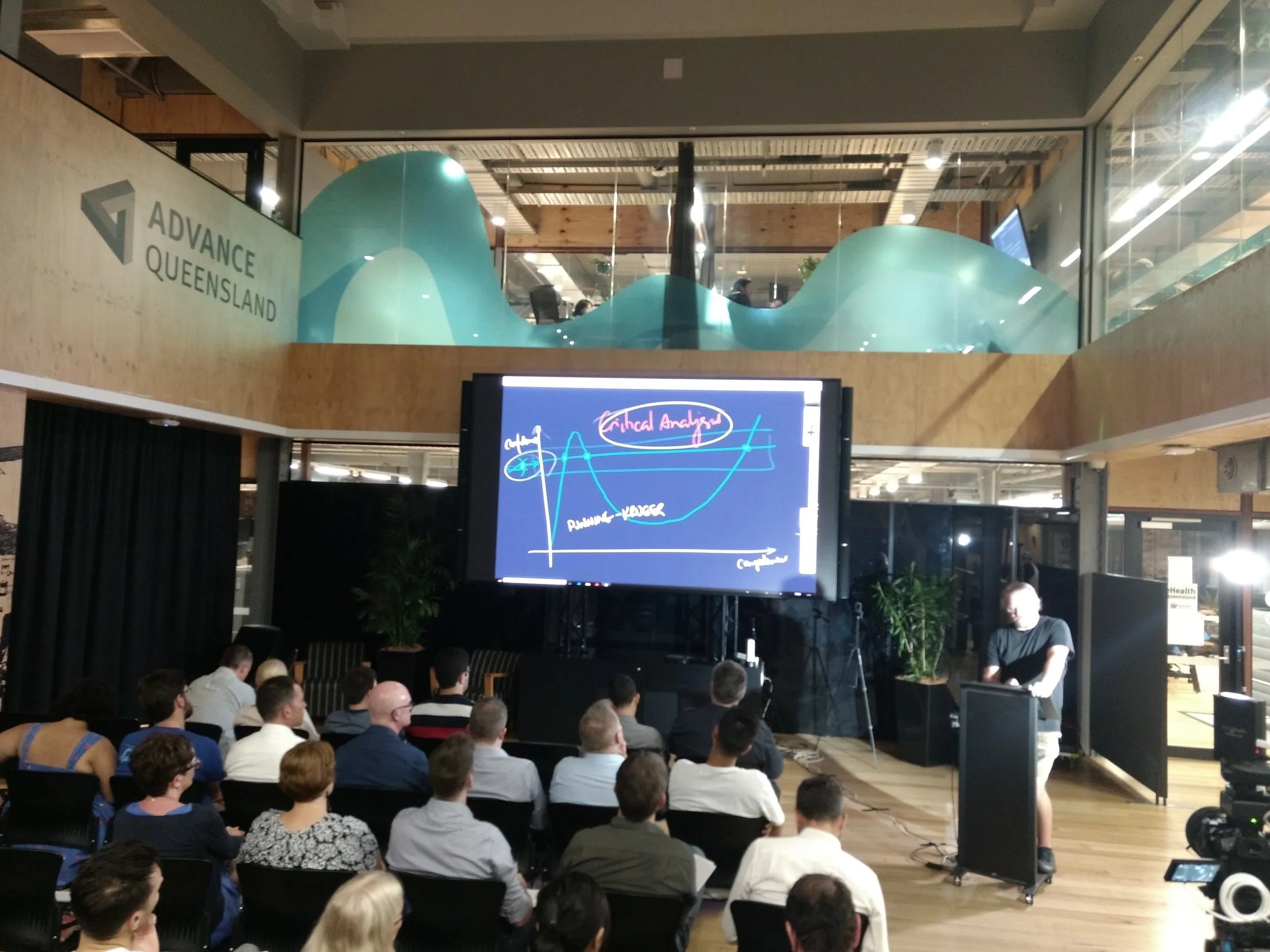
The first thing Peter covered had an unexpected overlap with my PhD in that it was all about perspective based on expertise. Namely, Peter talked about how new entrants into the start-up space may mistake false confidence for true expertise. Of course, the only cure for this issue is to critically analyse every piece of information we receive until we are ourselves expert enough in the space to know by instinct what is worth listening to and what is not.

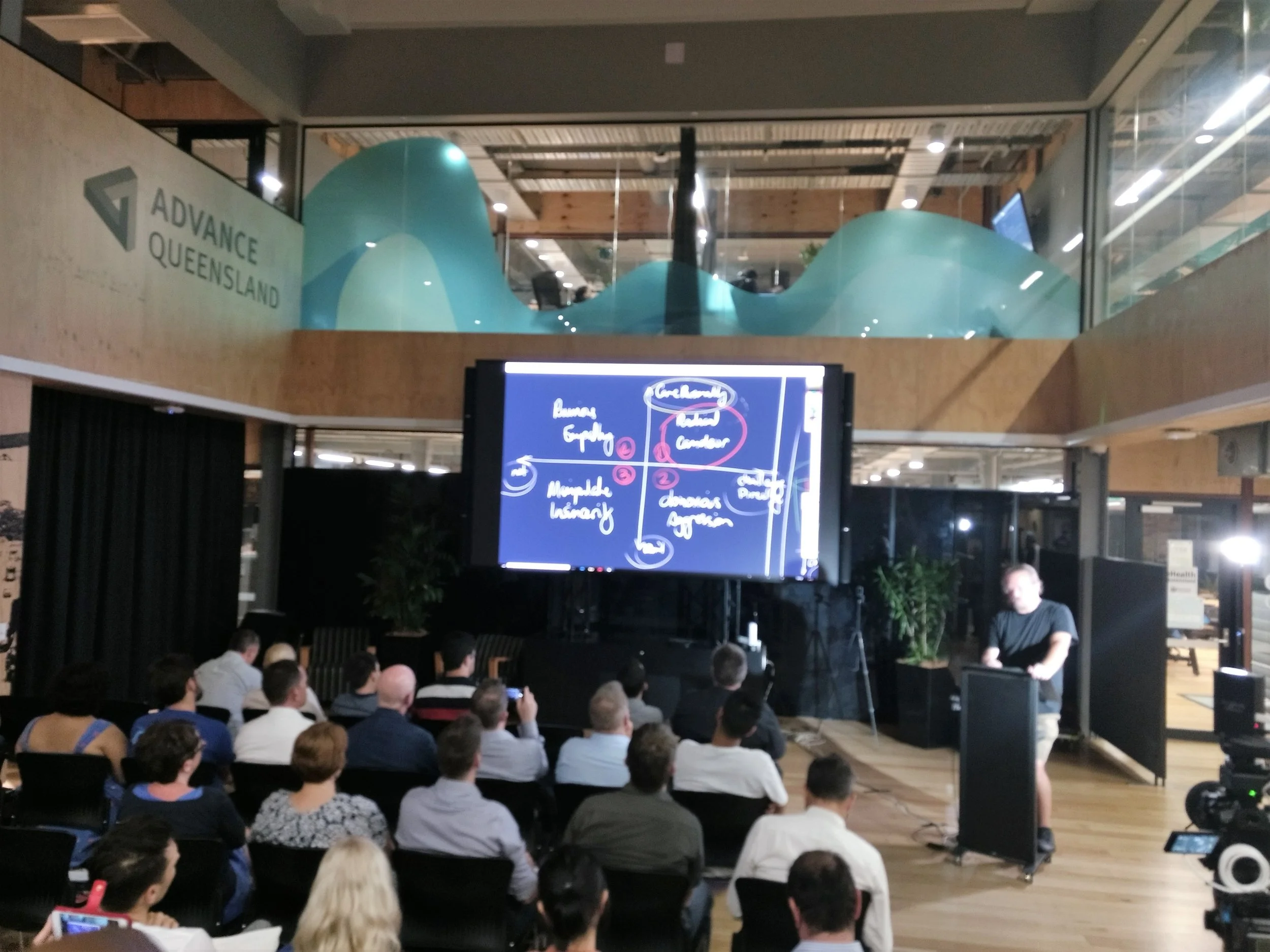
The next topic Peter covered was 2 x 2 matrix regarding feedback developed by Kim Scott in her book Radical Candour. It was about the four types of feedback you can get about your work and ideas. The best is radical candour, which is delivered to you by people who care but challenges you directly. But the directness is not to tear you down but to help you refine and justify what you are doing. It also acts as a reality check.

Feedback Matrix

By contrast, the worst is ruinous empathy, which might be great for your ego and anxiety but not great for your life and career. As it is empathy without any feedback and thus worse than manipulative insincerity because we can usually recognise when someone is neither caring nor sharing what they think about your ideas and work. As for obnoxious aggression, this is giving feedback, but without caring about the impact, it might have on the person receiving the criticism. Remembering that criticism is technically a neutral word when meant as the analysis and judgement of the merits and faults of a work. But when you are an adult, harsh criticism is still better than no criticism, which is certainly a good life lesson to learn.

Core competence

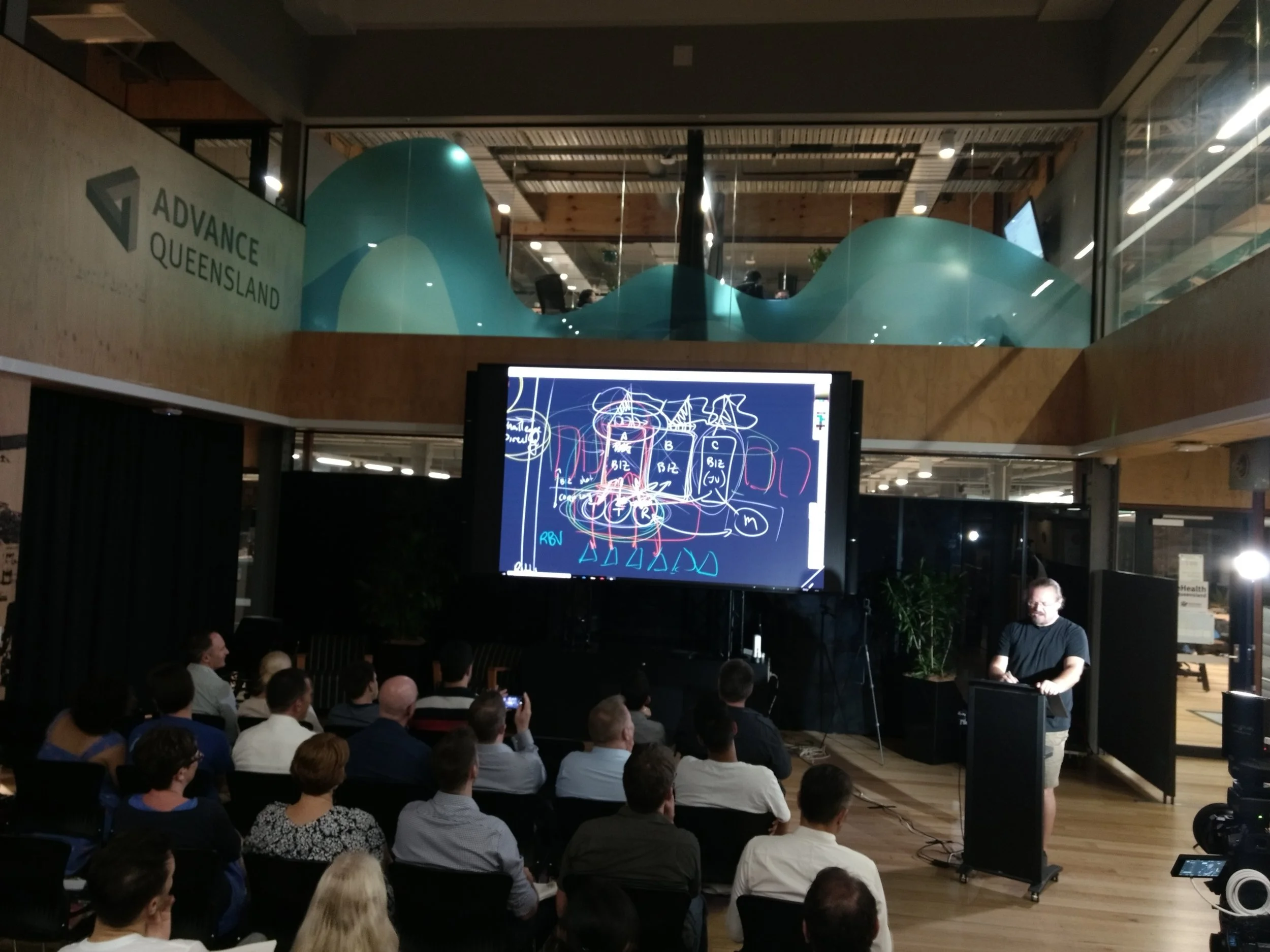
The next topic covered was about focusing on core competency and thus being free to have multiple businesses. This was good to hear because there is prevailing wisdom in the startup community to not spread yourself too thin. But from my understanding, what Peter was suggesting was that if you know what your core competencies are, you can apply your competencies in multiples avenues without stretching yourself too thin. It also means you are not putting all your eggs in the same startup basket. But most importantly, no matter what happens with your startup fails, you are still walking away with an improved skill set.

Resources

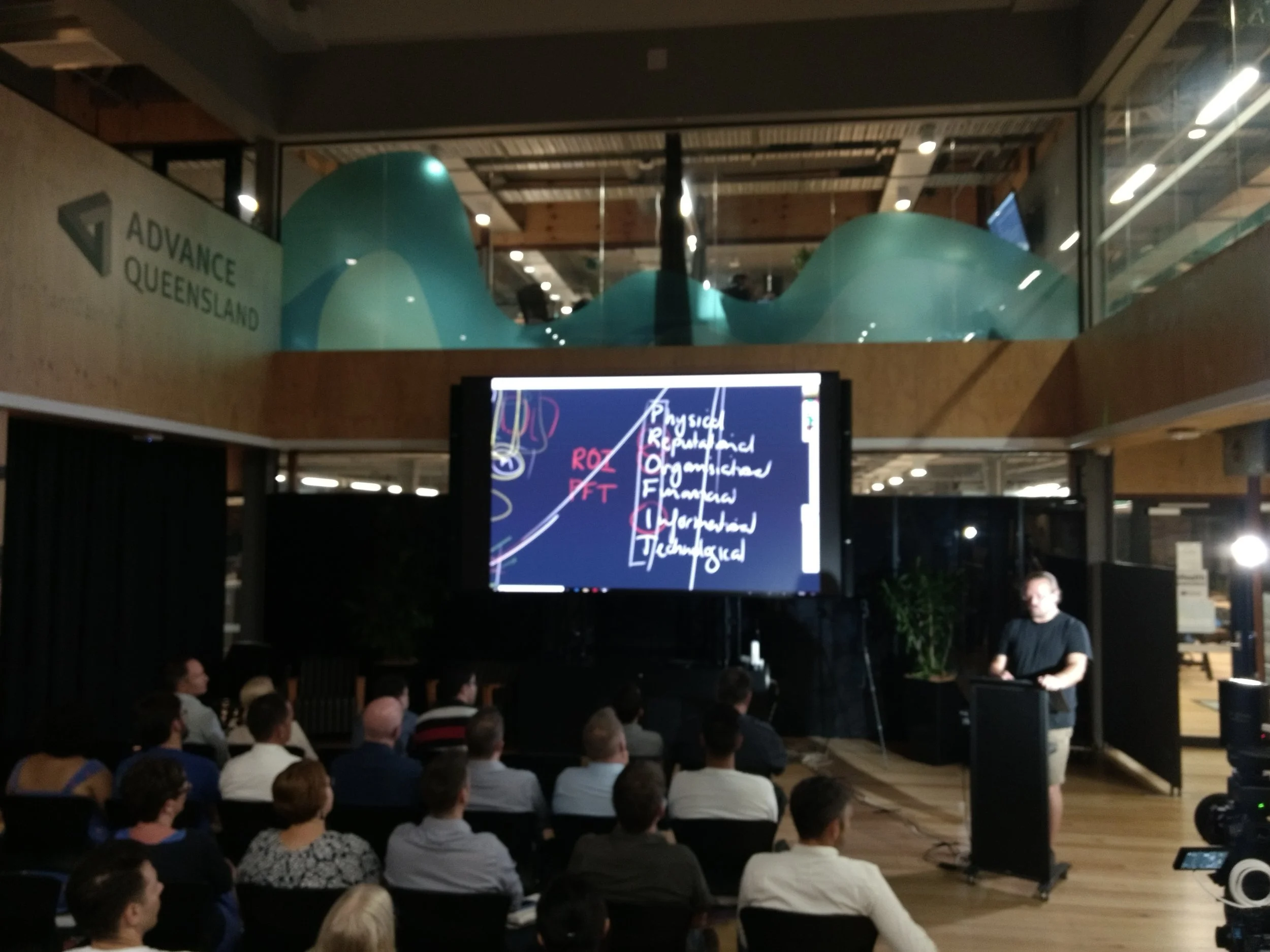
The next section was about resources and the difference between resources that are spent over time: Physical, Financial and Technology, with technology being a depreciating resource due to the progress of technology. I.e. unless you spend time and money keeping your technological edge or your technology skills updated, they will fall behind. By contrast Reputation, Organisational advantages and Informational resources get stronger as they are used. This is probably the section I understood the least. So I'll have to do a bit more research on the PROFIT mnemonic.

The next section was about risk and reward and basically explaining why venture capitalists and angel investors behave the way they do. I.e. Explaining why do they even bother investing in the first place.

IMG_20180322_195404840.jpg IMG_20180322_195437125.jpg IMG_20180322_195525507.jpg IMG_20180322_195605164.jpg IMG_20180322_195626275.jpg IMG_20180322_195657105.jpg IMG_20180322_195704606.jpg IMG_20180322_195715753.jpg IMG_20180322_195737785.jpg IMG_20180322_195756396.jpg

The discussion on funding was followed by a complex section on meaningful stats. I.e. stats that a VC can use to measure the chances of success of a startup, as opposed to vanity stats. Peter touched on the "AARRR! Metric" for startups in this section and followed it on by talking about the Kano Model for features. He added an extra feature type, called the "delighter feature", to the Kano Model. The "delighter" being a feature no one asked for because they couldn't imagine it but once added, they loved! The discussion on features naturally led to a discussion on pricing and a concept Peter termed "Foundation Partner", which is a way to using a small subset of early adopters to price your product or service accurately. I put all the slides for this part of the discussions together on the image carousel.

Missing from the photos is the diagram on feature creep or rather, how to introduce new features to your service without throwing the pricing tiers out of whack. The key take away was that you shouldn't just blindly add a new feature to all pricing tiers. Something that should be obvious but only once it is pointed out to you.

Overall, as I said at the start, the session was one of the best that I have ever attended. 10/10, I would recommend it to all budding entrepreneurs and even existing business people. 

March 24, 2018 /Tinni Choudhury
start-up
upskilling, talks
1 Comment
The Northerner Diaries by Jeremy Soule

My Kickstarter arrived - After four years and eight months

March 14, 2018 by Tinni Choudhury in misc

I was late to the Kickstarter party. In fact, I was late to the whole crowdfunding party and did not hear about Kickstarter until 2013. Considering that the site started in 2008, that’s pretty late. I became aware of the site when the claimed video game composer Jeremy Soule decided to crowdfund the first solo project.

I enjoy the work of Jeremy Soule and so in April 2013, I backed his project. On December 23, 2017, I finally received the album I played a small part to kick start. Obviously, this seemed like the perfect time to me to think back on all the projects I backed through Kickstarter!

If you are interested in reading about the lessons I have learnt backing campaigns on Kickstarter, you can read the article on Medium right now!

March 14, 2018 /Tinni Choudhury
kickstarter
misc
Comment
Startup Weekend Brisbane | Creative Tech

Startup Weekend Brisbane | Creative Tech

March 11, 2018 by Tinni Choudhury in upskilling, misc

Last weekend, I took part in the QUT organised Startup Weekend for Creative Tech. Queensland University of Technology (QUT) has a large stake in the creative industries space. They host the Coterie, a co-working space geared towards creatives. QUT also has a Creative Enterprise department that runs accelerators for creative people. So I had high expectations going into the weekend. But it did not go well. My team slowly disintegrated, I got food poisoning and missed all of Sunday. But I did manage to make one contact at the event that might lead to something. So that's something!

Reflecting on the weekend, the first red flag was when the organisers couldn't quite define what they meant by "creative startups" and fell back on the old gem "no banking".  To be fair, no one looks at banking and thinks "creative", and if they do, it usually starts and stops with "creative accounting" which is illegal and has tanked the world economy enough times - thank you very much! But I still expected a bit of a better definition from the organisers of the creative tech startup weekend.

The next thing that didn't quite work as intended was that in their zeal, the organisers got everybody present to pitch. So there were 90 participants. About 40 to 50 were already pitching, but the organiser encouraged everyone to pitch. It was a great idea on paper, but a terrible idea when the dinner and free networking finished at 7 PM and the venue was going to close at 10 PM. We didn't start voting on the pitches until 9:30 PM and that wasn't a lot of time to mingle and form groups.

Despite this, I left Friday night thinking I was in a good group with a clear idea to spend the weekend working on a startup for a medical IoT device. I came back on Saturday to find that no, apparently the team wasn't on the same page and we were going to build a fashion IoT device. That wouldn't be too bad except that fashion IoT device was something that sounds cool, but no one would buy. I demonstrated clearly to my group that the idea wasn't viable, but I fell into a circular argument because one of my teammates was completely married to his idea and just wouldn't accept reality. I should have heeded the red flag and left the team. But I perversely tried to make the best of the situation. But, there is a reason why the wisdom in the startup space is to bail when you think you should bail.

Anyway, I didn't get a lot of out of the weekend, and after I got food poisoning, I pretty much left what remained of my team in the lurch on Sunday. All and all, I think I'll sit out for the other weekend-long commitments for awhile.

March 11, 2018 /Tinni Choudhury
start-up
upskilling, misc
Comment
  • Newer
  • Older

Powered by Squarespace